Introduction to Breast Ultrasound
Many people wonder about the indications for a breast ultrasound. This test helps doctors look inside the breast without using X-rays. Often, it is used when a lump or other change is found. Because it is safe and painless, it is a common choice for breast imaging. According to the World Health Organization (WHO), early detection of breast problems can improve outcomes. So, understanding when a breast ultrasound is needed is important for your health.
What Is a Breast Ultrasound?
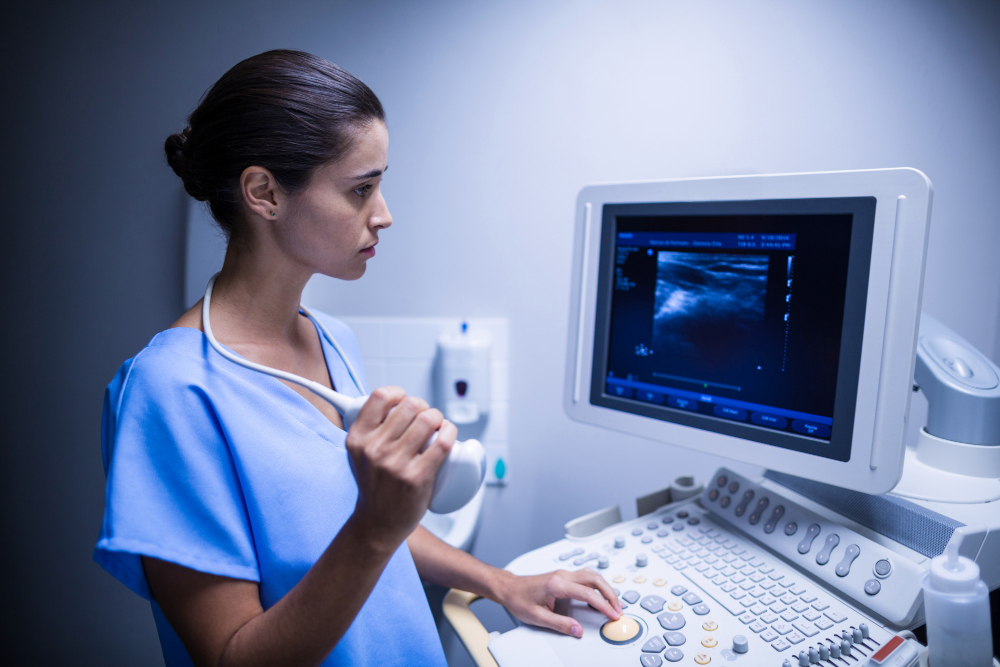
A breast ultrasound uses sound waves to create pictures of the inside of your breast. Unlike a mammogram, it does not use radiation. Instead, a small device called a transducer moves over your skin. This device sends sound waves into the breast, and a computer turns them into images. As a result, doctors can see lumps, cysts, or other changes clearly.
Primary Indications for a Breast Ultrasound
Doctors may suggest a breast ultrasound for several reasons. Here are the main indications for a breast ultrasound:
Because of these uses, breast ultrasound is a key tool in breast care.
Who Should Consider a Breast Ultrasound?
Not everyone needs a breast ultrasound. However, you may consider one if:
Still, your healthcare provider will decide if this test is right for you. For example, some people may need both a mammogram and an ultrasound for the best results.
How the Procedure Works and What to Expect
During a breast ultrasound, you will lie on your back or side. First, a clear gel is placed on your skin. Then, the technician moves the transducer over your breast. You may feel slight pressure, but it should not hurt. The test usually takes 15 to 30 minutes. Afterward, you can return to your normal activities right away. Because there is no radiation, it is safe for most people, including pregnant women.
Benefits and Limitations
Breast ultrasound offers many benefits:
However, there are also some limitations:
Even so, when used for the right reasons, it is a valuable tool.
When to Consult a Healthcare Provider
If you notice any changes in your breast, talk to your doctor. For example, new lumps, pain, or changes in shape should be checked. Your doctor can explain if a breast ultrasound is needed. Early action can make a big difference in your health.
Consult a radiologist or your healthcare provider at Accurate Diagnostics MRI & CT Scan Centre for personalized advice about breast ultrasound.