Introduction to CT Brain Scans
A CT Brain scan is a special test that takes detailed pictures of your brain. Doctors use it to check for problems like injuries, strokes, or tumors. If your doctor suggests a CT Brain scan, you may feel nervous. However, knowing what to expect can help you feel more at ease. This guide explains the CT Brain scan procedure, preparation, risks, and more.
What Is a CT Brain Scan?
CT stands for “computed tomography.” This scan uses X-rays and a computer to create clear images of the brain. Unlike regular X-rays, a CT Brain scan shows more detail. As a result, doctors can spot problems that might not show up on other tests.
Common Reasons for a CT Brain Scan
Doctors may order a CT Brain scan for many reasons. For example, you might need one if you have:
Sometimes, doctors use a CT Brain scan to check for bleeding or swelling in the brain. According to the CDC, quick scans can help save lives in emergencies.
How Does the CT Brain Scan Procedure Work?
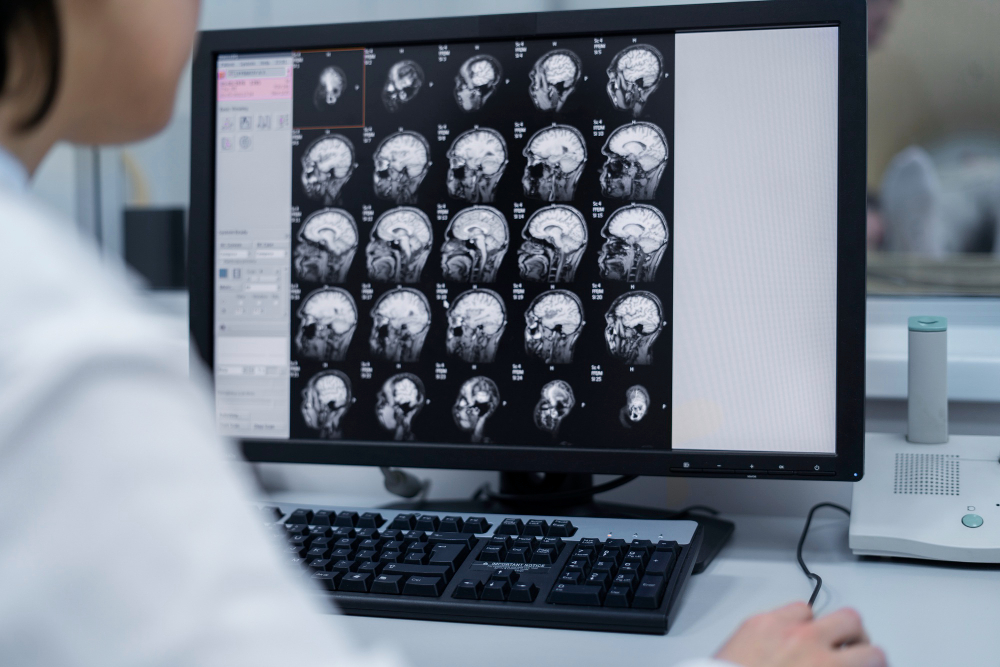
First, you will lie down on a table. The table slides into a large, doughnut-shaped machine. The scanner takes pictures from many angles. These images are combined by a computer to show a clear view of your brain.
Here is a step-by-step look at the process:
Most CT Brain scans take less than 15 minutes.
How to Prepare for a CT Brain Scan
Preparing for a brain CT scan is simple. Still, following these tips can help:
Always follow your doctor’s instructions for brain CT scan preparation.
What to Expect During and After the Scan
During the scan, you will need to lie still. The technologist may ask you to hold your breath for a few seconds. Although the machine makes noise, it does not hurt. If you feel nervous, let the staff know. They can help you feel comfortable.
After the scan, you can usually return to your normal activities. If you received contrast dye, drink plenty of water to help flush it out. Some people may feel a warm sensation or a metallic taste from the dye, but these feelings go away quickly.
Risks and Safety Considerations
CT Brain scans are safe for most people. However, they use a small amount of radiation. For most adults, the benefits outweigh the risks. Children and pregnant women should only have a CT scan if it is truly needed.
Some people may have a mild reaction to the contrast dye. For example, you might feel itchy or get a rash. Serious reactions are rare. Always tell your doctor about any allergies or health problems before the scan.
The World Health Organization says CT scans are helpful when used wisely and only when needed.
How Are CT Brain Scan Results Interpreted?
After your scan, a doctor called a radiologist looks at the images. They check for signs of bleeding, swelling, tumors, or other problems. The radiologist sends a report to your doctor, who will explain the results to you. Sometimes, you may need more tests to get a clear answer.
Frequently Asked Questions About CT Brain Scans
Conclusion
CT Brain scans are important tools for finding and treating brain problems. While the idea of a scan may seem scary, the procedure is quick and safe for most people. If you have questions or concerns, talk to your healthcare provider. They can give you advice that fits your needs.
Consult a healthcare professional at Accurate Diagnostics MRI & CT Scan Centre for personalized advice about CT Brain scans.