What Is a Chest CT Scan?
A chest CT scan is a special imaging test. It uses X-rays and a computer to create detailed pictures of your chest. These images show your lungs, heart, blood vessels, and other parts inside your chest. Doctors often use a chest CT scan to help find the cause of symptoms like cough, chest pain, or trouble breathing. This scan gives more detail than a regular chest X-ray. Because of this, it helps doctors make better decisions about your care.
Why Is a Chest CT Scan Done?
Doctors order a chest CT scan for many reasons. Sometimes, they want to check for infections or injuries. Other times, they look for growths, such as tumors. In addition, a chest CT scan can help find blood clots or other problems in your lungs and heart. Here are some common reasons for this test:
Because a chest CT scan gives clear images, it is very helpful in emergencies and routine checks.
How Does a Chest CT Scan Work?
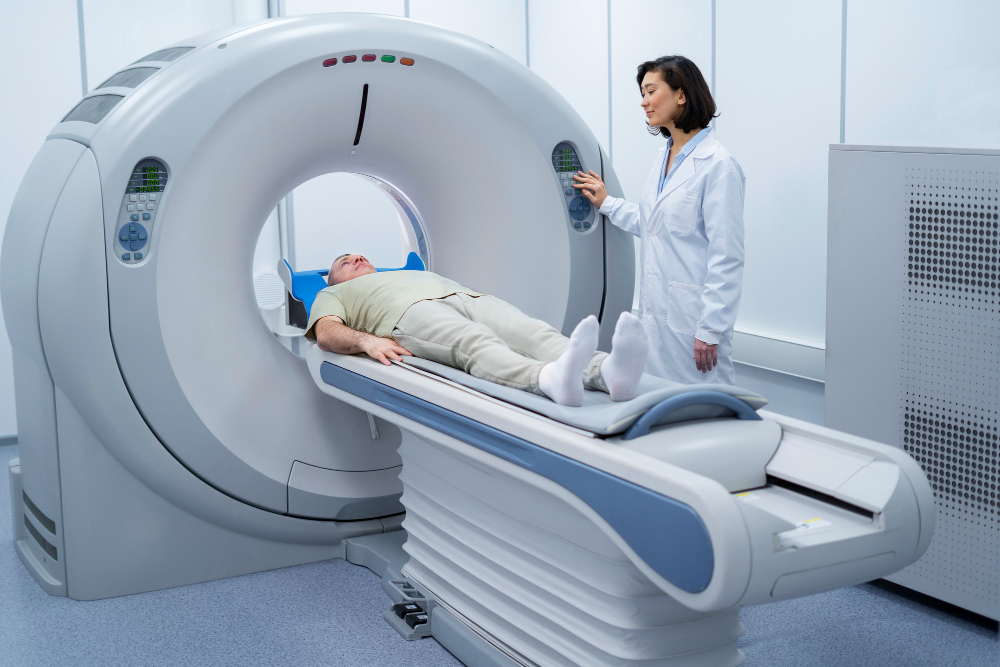
A chest CT scan uses a machine shaped like a large ring or donut. You lie on a table that slides through the center of the machine. The scanner takes many X-ray pictures from different angles. Then, a computer puts these images together to make a detailed view of your chest. Sometimes, doctors use a special dye called contrast. This dye helps certain areas show up more clearly. The dye may be given through a vein in your arm. Most scans take only a few minutes.
What to Expect During the Procedure
Knowing what happens during a chest CT scan can help you feel more at ease. Here is what you can expect:
Because the process is quick and simple, most people find it easy to complete.
Safety and Risks
Chest CT scans are generally safe. However, like all X-ray tests, they use a small amount of radiation. The amount is higher than a regular chest X-ray but still low. For most people, the benefits of finding health problems outweigh the risks. Still, it is important to tell your doctor if you are pregnant or may be pregnant. In rare cases, people may have an allergic reaction to the contrast dye. Here are some possible risks:
According to the Centers for Disease Control and Prevention (CDC), CT scans are safe when used properly. Doctors only order them when needed.
How to Prepare for a Chest CT Scan
Preparing for a chest CT scan is simple. Still, following your doctor’s instructions is important. Here are some common steps:
Because preparation steps can vary, always check with your healthcare provider before your scan.
Frequently Asked Questions
If you have more questions, talk to your doctor or radiologist. They can give you answers based on your health needs.
Consult a radiologist or your healthcare provider at Accurate Diagnostics for personalized advice about chest CT scans.